Have you heard of “America’s Nobels”? The Lasker Awards, often referred to as “America’s Nobels,” have been awarded annually since 1945 to living persons who have made major contributions to medical science or who have performed extraordinary public service on behalf of medicine. They are administered by the Albert and Mary Lasker Foundation, based in New York City and founded by Mary Woodard Lasker and her husband, Albert Lasker. As an activist and philanthropist, Mary Lasker played a major role in promoting and expanding the National Institutes of Health in Bethesda, Maryland – where our NIH Oxford-Cambridge Scholars train in the United States.
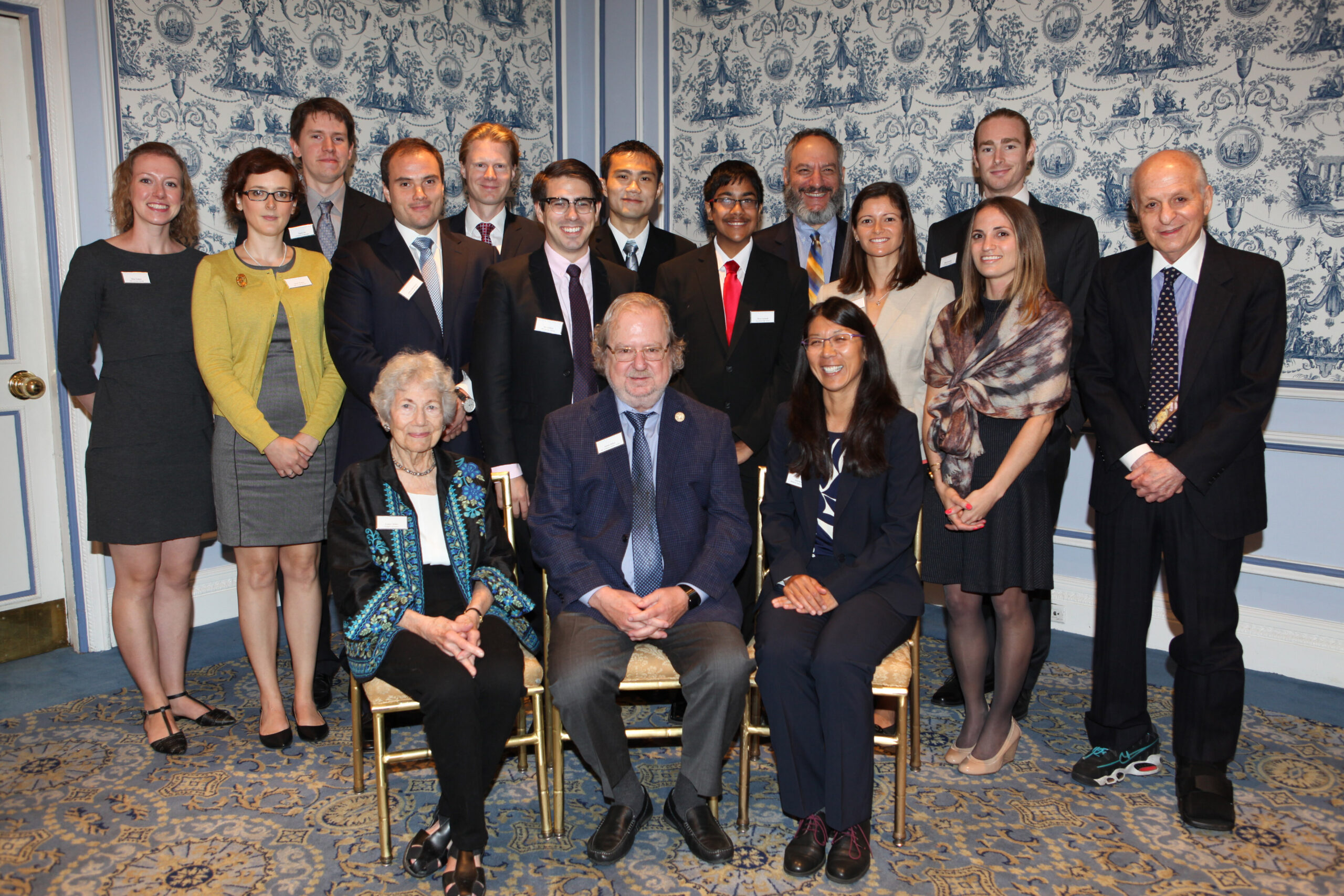
The Lasker Award is the nation’s most distinguished honor for basic and clinical research. As its nickname indicates, the Award is often a precursor to other distinguished prizes, such as the Nobel. The Lasker Awards gained a reputation for identifying future winners of the Nobel Prize and for a good reason. Eighty-seven Lasker laureates have received the Nobel Prize, including thirty-three in the last two decades. Well now that number is eighty-eight because Dr. James P. Allison, the 2015 Lasker~DeBakey Clinical Medical Research Award winner, was just awarded the 2018 Nobel Prize in Physiology or Medicine. What is even more fascinating is that the NIH Oxford-Cambridge/Wellcome Trust (WT) scholars have the opportunity to attend these prestigious awards and converse with laureates. In fact, a group of students did just that in 2015 and met Dr. James Allison, Dr. Evelyn M. Witkin, Dr. Stephen J. Elledge, and representatives from Médecins Sans Frontières (Doctors Without Borders). Present were NIH OxCam alumni Joshua Bernstock, Alice Easton, Ian Goldlust, Michael Gormally, Angela Ianni and Sarah Watters.
The Alliance congratulates Dr. James Allison and all winners of the 2018 Nobel Prize. We are watching and waiting for this pattern to continue and look forward to the day when we can witness one of our NIH OxCam scholars holding a Lasker Award in their own hands.
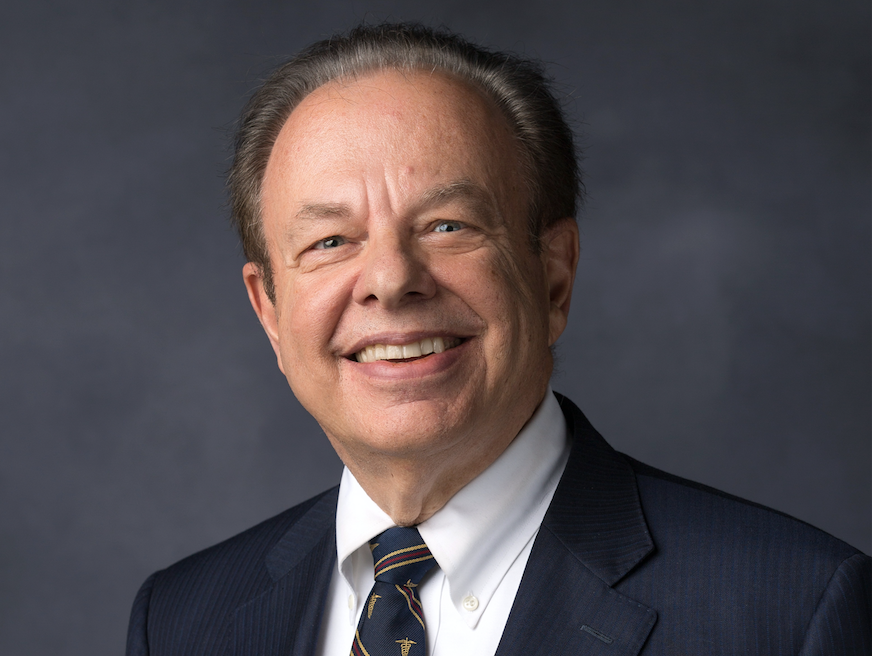
Dr. Korpman will provide mentorship to PhD and MD/PhD students in the US and UK
The International Biomedical Research Alliance, a non-profit organization which provides programming and funding support for the National Institutes of Health (NIH) Oxford-Cambridge Scholars Program, today announced that Ralph A. Korpman, MD, is joining the Alliance’s board of directors. Dr. Korpman is executive vice president and chief scientific officer at UnitedHealth Group and is a professor at the Loma Linda University School of Medicine.
“We are delighted that Dr. Korpman has agreed to join the Board of the International Biomedical Research Alliance,” said Stephen M. McLean, chairman of the Alliance Board of Directors. “I have been aware of Dr. Korpman’s revolutionary work in the field of patient care management technology for many years. His experience in academia and his entrepreneurial work provide a unique prospective from which the Scholars will no doubt benefit.”
“I am looking forward to mentoring these gifted early-career researchers who represent our next generation of scientific leaders,” said Dr. Korpman. “After having spent years focusing on the integration of new technologies into improving direct patient care, the time has come to now spend some of that time stimulating Scholar awareness and thinking on this axis, launching a new generation of research in this pivotal area and, ultimately, giving rise to better patient outcomes.”
Dr. Korpman is a recognized pioneer in the medical informatics field, beginning with his early work in introducing the concept of automating the clinical laboratory more than four decades ago. He has been instrumental in defining each new generation of health information systems over the years, being among the first to introduce the concepts of point-of-care systems, integrated clinical systems, and physician portals.
Dr. Korpman continues to advance his vision of the ubiquitous use of technology in health care by serving in a number of pivotal health care IT roles, including his current roles as executive vice president and chief scientific officer at UnitedHealth Group where he continues a lifelong focus on Individual Health Records.
Dr. Korpman served as founder, president and CEO of Health Data Sciences Corporation to pioneer Electronic Medical Records, and as chief scientist at Medaphis Corporation and Per-Se Technologies. Previously, Dr. Korpman founded Medical Data Corporation, a company that developed a variety of turnkey information systems for hospitals and U.S. government facilities throughout the country.
In addition to his corporate work in health care informatics, Dr. Korpman remains heavily involved in academia, including as a full professor at Loma Linda University School of Medicine.
Dr. Korpman received his bachelor’s and doctoral degrees from Loma Linda University, where he also completed residencies in anatomic pathology and laboratory medicine and a fellowship in clinical hematology. He conducted his graduate business studies at the Claremont Graduate School.
Dr. Korpman is the recipient of a number of awards, including the Young Presidents Organization Entrepreneur of the Year and Computers in Healthcare Health Care Pioneer. He is the author of more than 100 refereed articles and holds more than 50 patents. He has testified extensively over the years before Congress and before Federal agencies and was a founder of both the ANSI HISB and ISO TC 215. He is also committed to civic and community affairs, serving on several college and not-for-profit foundation boards.
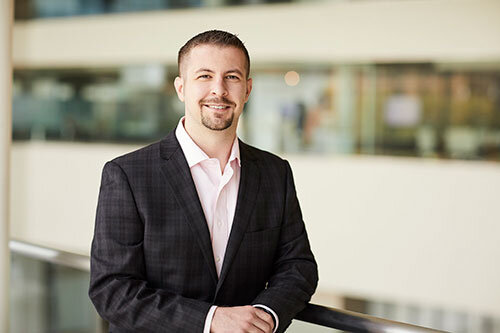
After graduating from the NIH OxCam program in 2007, with a landmark paper in Nature describing the discovery of a new type of stem cell called the epiblast stem cell, Dr. Paul Tesar continued his training as a postdoctoral fellow at the National Institute of Neurological Disorders and Stroke at the National Institutes of Health. Dr. Tesar then went on to join Case Western Reserve University (his alma mater) School of Medicine faculty in 2010. As an associate professor, his laboratory has “pioneered new regenerative approaches to treat nervous system disorders including multiple sclerosis, pediatric leukodystrophies, cerebral palsy, and brain cancer.
In addition to mentoring students and postdocs, Dr. Tesar’s team has gone on to become leaders in their field. Dr. Tesar has received numerous awards including the International Society for Stem Cell Research Outstanding Young Investigator Award in 2015, the New York Stem Foundation – Robertson Stem Cell Prize in 2017, and the Diekhoff Award for Graduate Student Mentoring in 2018.
Dr. Tesar’s lab continues to strive for success and their most recent collaboration with Dr. Drew Adams’ lab resulted in an exciting publication in the journal Nature: https://go.nature.com/2LFAbFe. This publication defined a unifying mechanism by which small molecules stimulate the generation of new oligodendrocytes and enhance remyelination. Because of these findings, efforts to develop safe and effective medicines for patients with Multiple Sclerosis and other myelin disorders are on the horizon. These discoveries led Dr. Tesar and Dr. Adams to form a startup company called Convelo Theraputics, which will develop new regenerative medicines for myelin disorders. To learn more about this incredible company check out this link: https://bit.ly/2uPwYcR.
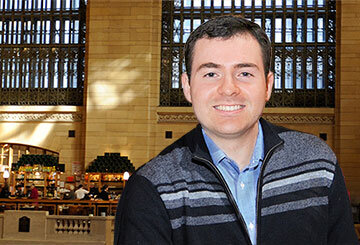
 Dr. Eugene Shenderov completed his PhD as a Rhodes Scholar from the NIH OxCam Program in 2009. In 2009, he co-founded the Charm City Clinic, Inc. which is a non-profit organization that helps East Baltimore residents access health care, social services, and develop health literacy. Dr. Shenderov then went on to become President and CEO of LifeImmune, Inc., in 2015 and is developing a novel diagnostic test to detect drug, food, and environmental allergies.
Today, Dr. Eugene Shenderov is an oncology Fellow at Johns Hopkins Medical Center, Co-Founder and Executive Board Member of the Charm City Clinic, and President and CEO of LifeImmune, Inc. In 2017, Dr. Shenderov was selected as 1 of 100 “Leaders of Tomorrow” by the Global Biotech Revolution and selected to the Johns Hopkins Physician Scientist Training Program (PSTP) 2017 Scholars Class for Residents and Fellows. Since the beginning of 2018, Dr. Shenderov has been named one of 50 Oncology Fellows nationally selected for the 2018 National Comprehensive Cancer Network (NCCN) Oncology Fellows Program at the NCCN 23rd Annual Conference. Not to mention he was also awarded the distinguished Conquer Cancer Foundation of ASCO/Ruth Rales Young Investigator Award!
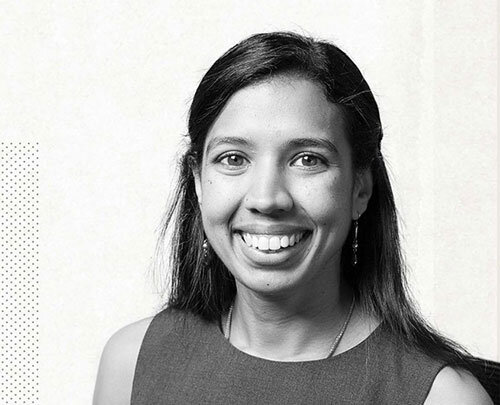
Guess who was just named as one the University of Georgia Alumni Association’s “40 under 40”? Our 2015 graduate Dr. Muktha S. Natrajan was a Gates Cambridge Scholar and studied under Professor Robin Franklin, PhD at Cambridge University and Dr. Bibiana Bielekova, MD at the Neuroimmunology Branch at the NIH. Her research focused on potential treatments for Multiple Sclerosis (MS), trying to understand the link between why neural stem cells fail to regenerate in MS and how to harness the beneficial aspects of the immune system to promote failed regeneration in aging patients.
Dr. Muktha S. Natrajan is currently a postdoctoral fellow at Emory University and was just named “40 Under 40” at the University of Georgia. This incredible achievement celebrates young alumni leading the pack in their industries and communities. In her current position, under the mentorship of Dr. Mulligan, Dr. Natrajan develops diagnostics to better predict disease course and focuses on the antibody responses to Zika Virus and innate immunity. She is also the coordinator for the Systems Biology Core Facility at Emory University.