“Medical students are often taught that, when they hear hoofbeats, they should think about common things, such as horses,” Dr. Wendy Chung began, “My career has been just the opposite and the only thing I really see are zebras.” During Dr. Chung’s keynote for the Lasker Lessons in Leadership, we heard the unraveling of this cryptic statement in her talk entitled: “Life Lessons from a Zebra Hunter.”
As a high school student, Dr. Chung had the opportunity to spend some time in a laboratory. Raised in South Florida at the heart of the citrus fruit industry, she was told to take a golf cart into a field to see what she could figure out. Fruit flies were a big problem for the citrus industry, and she decided that her science project would focus on why the fruit flies laid eggs in particular fruits. For that work she won first place in the Westinghouse Science Talent Search and met researchers at NIH during the weeklong activities in Washington, DC. She went on to study at Cornell University, the college with the best agricultural sciences. One summer she had the chance to return to NIH to work with Seymour Kaufman and to work on phenylketonuria – at the bench and with patients in the hospital. This exposure to patients completed the picture for her as she was able to experience the “soup to nuts” process: from seeing a patient in the hospital and taking blood samples to analyzing the biochemistry and genetics back in the lab. She realized that “banging your head against the wall for so many days, weeks and months” was worth it because someone’s life was truly dependent upon you. After this she decided to pursue an MD, PhD.
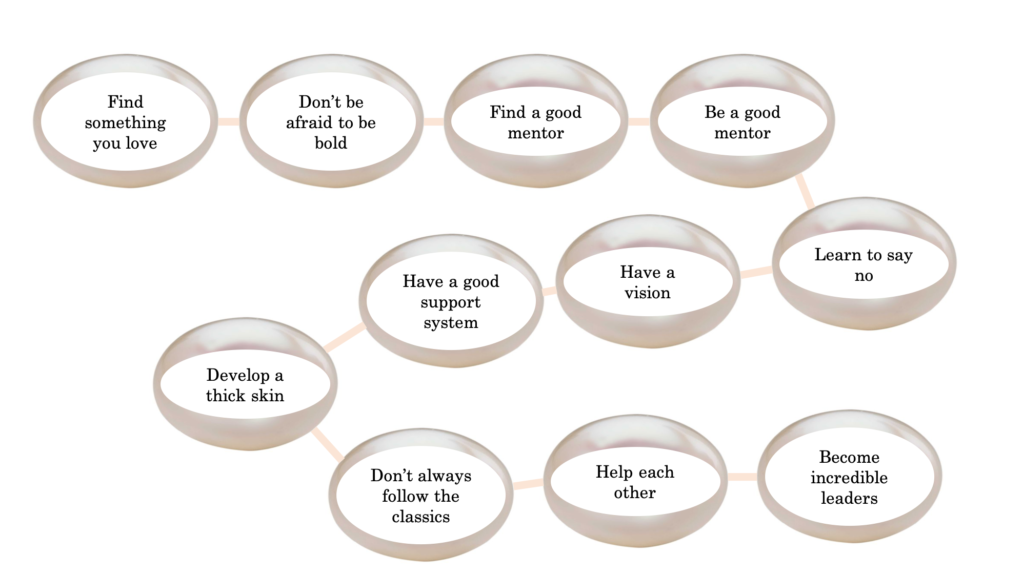
During Dr. Chung’s first year as a medical student, the Human Genome Project (HGP) was announced. While her professors disagreed with the concept of funding the HGP, her undergraduate major in economics gave her the courage to “follow the money.” She spent a lot of time throughout her training dreaming of how to apply the information that would come out of the HGP. She was fortunate to finish her training early, just when the HGP was nearing completion. Here, Dr. Chung gave us pearl of wisdom number 1: to skate to where the puck is going to be and become the leaders in the field. This was closely followed by pearl of wisdom number 2: to not necessarily follow the classics. For example, right now we are living in a wealth of data that needs to be analyzed. However, the real powerbrokers are going to be not only those who can code, but those who can additionally understand the biology.
For Dr. Chung, she was beginning her career at the frontier of genomics at a time when most genes had not yet been cloned. During graduate school, in order to continue to remain in touch with the medical side, she went on weekly clinical rounds with her mentor, Rudolph Leibel. On these rounds, she learned about rare diseases, and this was the start of her fascination with uncommon diseases, or “zebras.” While she was collecting zebras during her internship, she discovered pearl number 3: find the right person to help you with your journey. For Dr. Chung, it was her husband whom she described as an incredibly important part of her success. Being a planner, she started to determine where her life was going, for both work and family. Then something unexpected happened that turned her world upside down: the death of their second son. While his cause of death was never determined, she resolved to move her career to where it would have the biggest and most immediate impact on patients.
While working in the clinic, there were times when carrying out a critical genetic test for a patient was impeded due to gene patents, which caused the price of testing to become too costly. However, the worst situations were when a lab that held a gene patent shut down. This meant that no other labs could carry out the genetic test due to “cease and desist” orders, resulting in patients not being able to access critical genetic tests for over 2 years. In some cases, this caused patients to die. Dr. Chung couldn’t fathom why this should be allowed and decided to step in for the public good. After unsuccessful meetings with NIH and congressional staff, she was contacted by an ACLU lawyer, who agreed with her stance and saw gene patenting as a civil rights issue. After being heard in several lower courts, the case ultimately went to the Supreme Court, where the court ruled, in a 9 to 0 victory, that genes cannot be patented. Dr. Chung considered this to be one of her greatest accomplishments as a scientist, and it ushered in a new era for genomic medicine. “Without this victory, we would not have the ability to inform people about their genomes, and the genomics era we now live in would have been hampered,” she stated.
Dr. Chung went on to explain that in order for this progress to continue, we need to bring scientists and the public together; if we can’t get the public to understand what we are doing, we have lost half the battle. Therefore, she is striving to improve this connection by making complex topics accessible to the public. Indeed, her TED talk, “Autism – what we know (and what we don’t know yet),” has had 3.7 million views!
To be inspired, all of us have a role model to ask questions about how to make choices and, throughout this Lasker Lesson in Leadership, Dr. Chung gave us a necklace of pearls to take with us on our own zebra hunt.
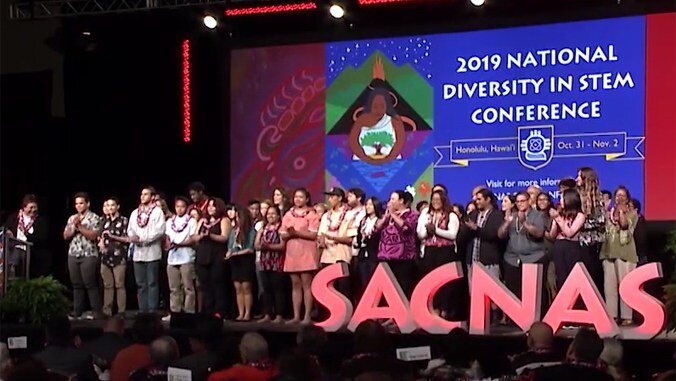
The National Diversity in Science, Technology, Engineering and Mathematics (STEM) Conference was organized by the Society for Advancement of Chicanos/Hispanics and Native Americans (SACNAS). SACNAS is an inclusive organization with over 46 years of experience promoting, from college students to professionals, the attainment of advanced degrees, careers, and positions of leadership in STEM. SACNAS serves approximately 6,000 members and a larger community of 20,000 people total with 115 SACNAS student and professional chapters throughout the U.S. and Puerto Rico.
As the largest multidisciplinary and multicultural STEM diversity event in the country, the 2019 SACNAS Conference equipped, empowered, and energized participants on their academic and professional paths in STEM. Hawaiʻi, the most ethnically diverse state in the nation, was selected as the site for the 2019 SACNAS Conference. “The SACNAS conference [was] fully aligned with Hawaiʻi for partnering with SACNAS in the essential work of making the scientific enterprise diverse, equitable and inclusive,” said SACNAS President Dr. Sonia Zárate.
Throughout the SACNAS Conference, undergraduate, graduate, and professional attendees were immersed in cutting-edge scientific research and professional development sessions, heard from motivational keynote speakers, visited the Graduate School & Career Expo Hall, attended multicultural celebrations, and partook in an inclusive and welcoming community of peers, mentors, and role models. This year’s sessions were led by scientists of color, Native Hawaiian, and indigenous scientists across STEM disciplines, and sessions included topics such as the effects of climate change. It also focused on indigenous and western sciences entwined together to add noteworthy value to the understanding of STEM subjects.
Manager Alexandra Ambrico was selected as a mentor judge for the 2019 SACNAS conference poster sessions, providing positive mentoring and constructive feedback to student presenters. “Listening to undergraduate researchers present their data, many at their first national conference, I could feel the excitement and drive they had to solve their scientific questions,” remarked Alexandra. NIH OxCam alum, Dr. Juan Pablo Ruiz, presented “Storytelling: Bringing Your Authentic Self to Work” with Drs. Brian Castellano and Sonia Zárate. “Coming to SACNAS for the first time, especially as a Postdoc focused on advocacy issues, was an incredibly empowering experience,” stated Dr. Ruiz. “To find myself surrounded by other people, from undergraduates to faculty, who are as enthusiastic about science as they are about challenging the status quo was uplifting, and a reminder of why I do the work that I do. The ability to present my guidelines for departments wishing to improve their mentoring and training climates was an incredible experience, and I consider it a huge privilege to have been able to witness and share in the experience of a Powwow with Native scientists celebrating their cultures and identities.”
Dr. Ruiz graduated from the Program in 2018 and is now a Postdoctoral Research Associate studying Early Career Researcher Mentoring and Wellbeing at the University of Wisconsin – Madison. He is also the President of Future of Research, a non-profit that champions, engages, and empowers early career scientists with evidence-based resources to improve the scientific research enterprise.
The NIH Oxford-Cambridge Scholars Program was represented at the SACNAS conference, which included over 5,000 attendees.
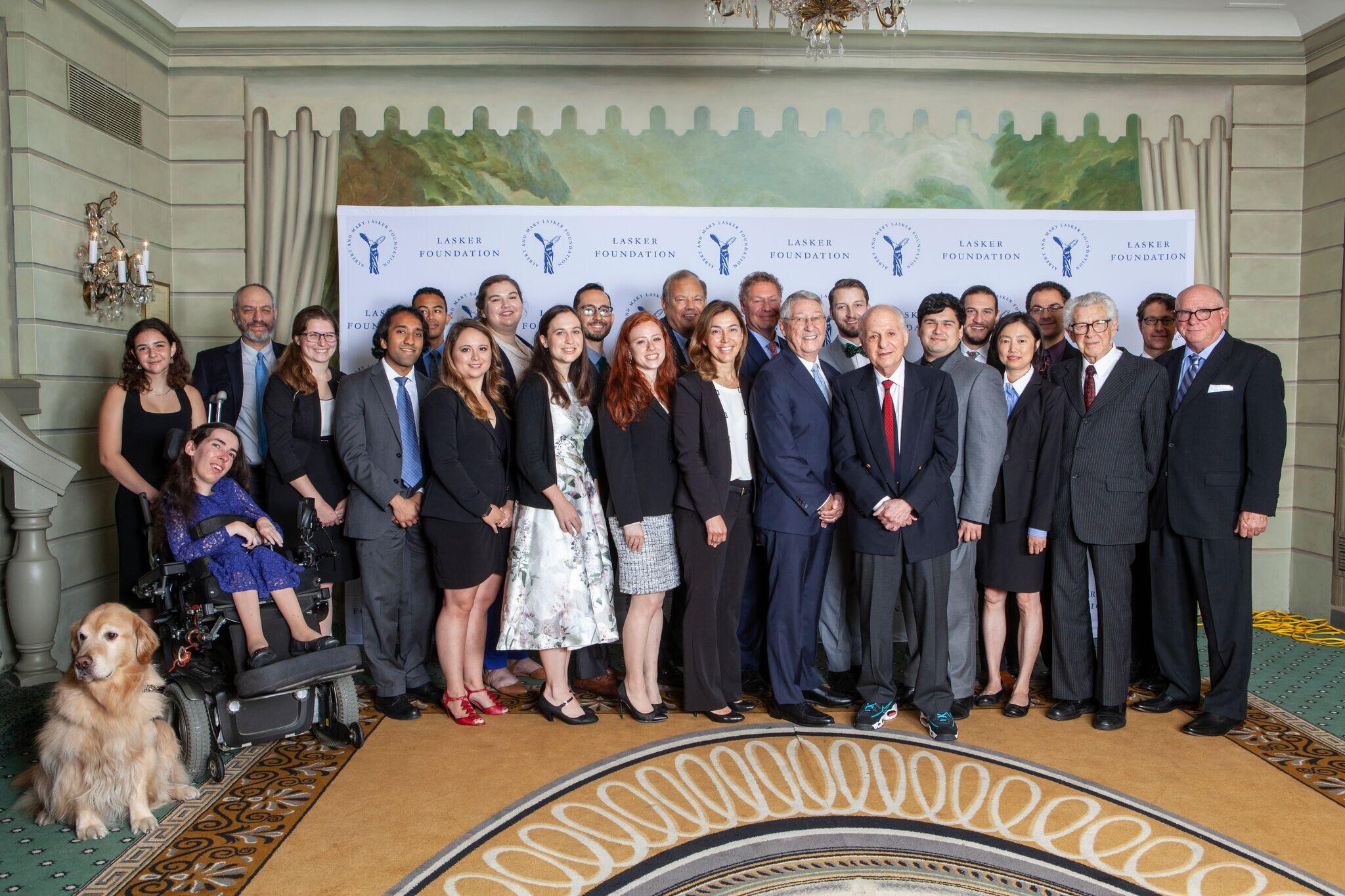
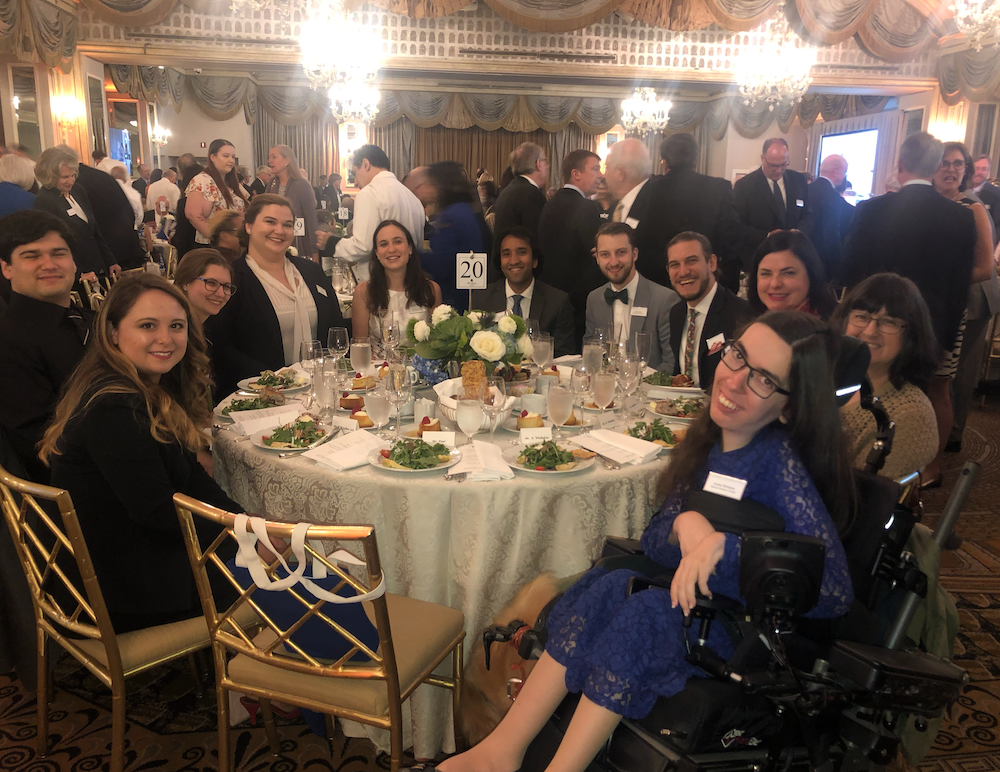
The International Biomedical Research Alliance, in collaboration with the Lasker Foundation, invited six doctoral candidate students from the NIH Oxford-Cambridge/Wellcome Trust Scholars Program to attend the 2019 Lasker Awards in New York City.
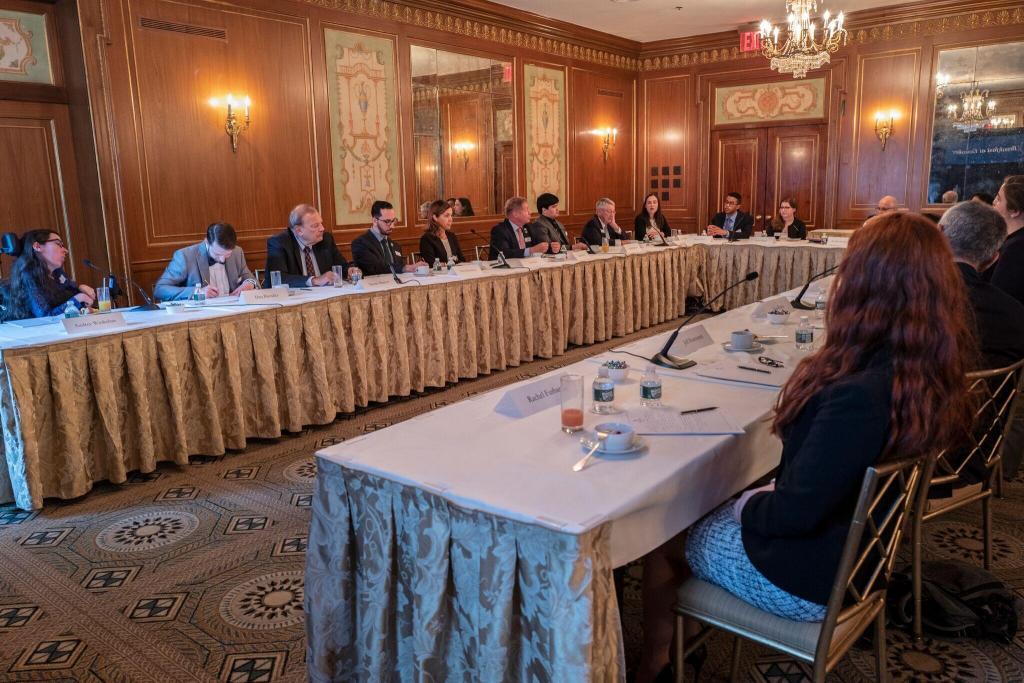
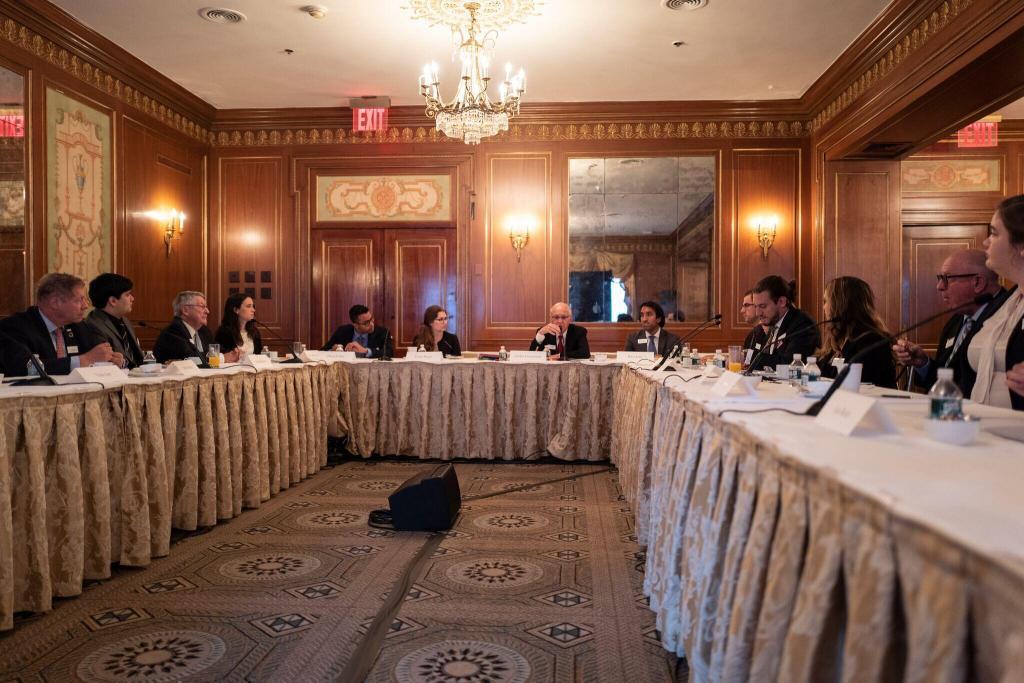
The Scholars attended Breakfast at Lasker, an intimate gathering of the 2019 Lasker Laureates moderated by Jordan Gutterman, M.D. The breakfast provided a roundtable discussion for the group to ask questions ranging from career paths, making new discoveries, and how their discoveries are impacting human health today.
Gavi, the Vaccine Alliance, CEO Dr. Seth Berkley, discussed with the breakfast attendees the essential aspect of their mission: empowering the countries with which they work. He shared that this was not something science has included in the past but, by doing so, allows these countries’ people to have an even greater impact. Lasker Laureate Dr. Max Cooper shared that it is not always clear whether or not a research question has the potential for medical impact. However, he advised that researchers should follow their interests because many clinical advances started from curiosity driven research. Throughout the course of the roundtable discussion, each of the laureates gave thoughtful responses to questions posed by the group and provided some very personal insights and pearls of wisdom.
Following breakfast, the Scholars took photographs with the 2019 winners and attended a reception that included current and past Lasker Laureates, as well as renowned scientists and notable guests arriving to attend the awards ceremony.
The Lasker Basic Research Award honored Max D. Cooper of the Emory School of Medicine and Jacques F.A.P. Miller of The Walter and Eliza Hall Institute of Medical Research, Parkville, Australia, for their discovery of the two distinct classes of lymphocytes, β and T cells, an achievement that provided the organizing principle of the adaptive immune system. Their pioneering and historic work over fifty years ago launched the course of modern immunology, inspiring major advances in basic and medical science.
The Lasker-DeBakey Clinical Research Award honored H. Michael Shepard, Dennis J. Slamon, and Axel Ullrich for their invention of Herceptin, the first monoclonal antibody that blocks a cancer-causing protein, and for its development as a life-saving therapy for women with breast cancer. Shepard, currently with BetterOutcomes4Cancer, and Slamon, now at Max Planck Institute of Biochemisry, Martinsried, Germany, did their Herceptin work at Genentech. Slamon’s research was conducted at the University of California, Los Angeles, where he continues to work. The influence and impact of the Herceptin story extends beyond the development of a major new therapy. For example, stratifying patients based on expression/amplification of a gene and using a monoclonal antibody to block a cancer-causing protein are now being applied to other proteins in other cancers as well.
The Lasker-Bloomberg Public Science Award honored Gavi, the Vaccine Alliance, for providing sustained access to childhood vaccines around the globe, saving millions of lives, and for highlighting the power of immunization to prevent disease. Gavi is a public-private global partnership that brings together the World Health Organization, UNICEF, the World Bank, the vaccine industry, the Bill & Melinda Gates Foundation, and several other philanthropic organizations. Thanks to Gavi, more than 600 million children in 73 of the poorest countries have been vaccinated, with an estimated 8 million deaths averted. Over the last 16 years, Gavi has raised global immunization rates by bringing vaccines available to developing countries, by financially supporting the development of new vaccines, and by building stronger health care systems.
For full descriptive information on the 2019 Lasker Award winners, video viewing of award overviews, and expectance speeches, please visit: The Lasker Foundation. We gratefully thank the Albert and Mary Lasker Foundation for the opportunity to allow the Scholars to attend the prestigious Lasker Awards.
The November 7, 2019 Lasker Lessons in Leadership featured Wendy Chung, Kennedy Family Professor of Pediatrics in Medicine at Columbia University. In her talk, she spoke about her career path as a clinical and molecular geneticist.
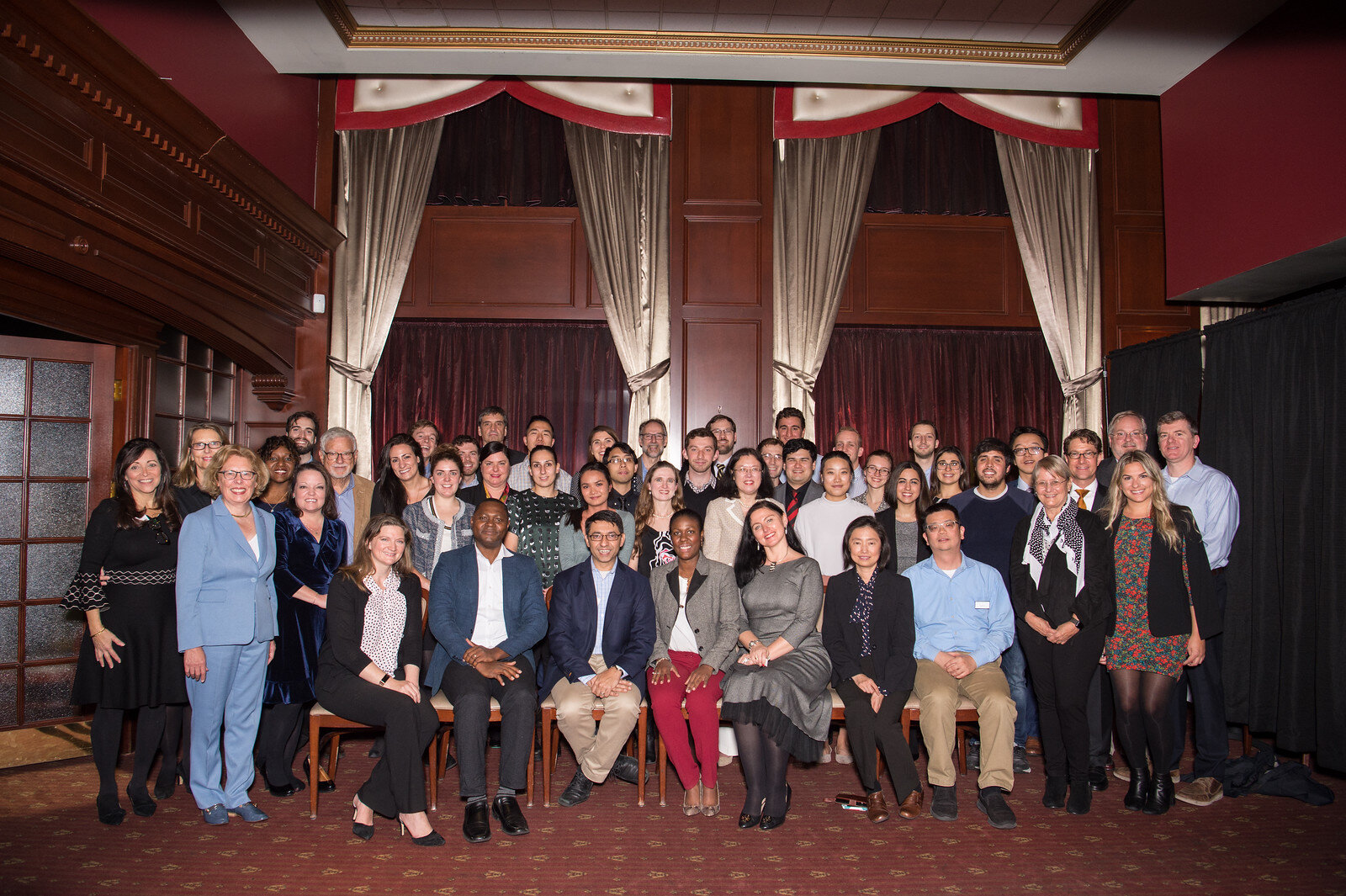
The Alliance aims to bring together Scholars of the NIH Oxford-Cambridge/Wellcome Trust Programme with leading academics, entrepreneurs, financiers, policy makers, and practitioners to help solve the problems that are highly relevant to society. Each year, six Scholars are invited to New York City to attend career development field trips leading up to the Lasker Awards.
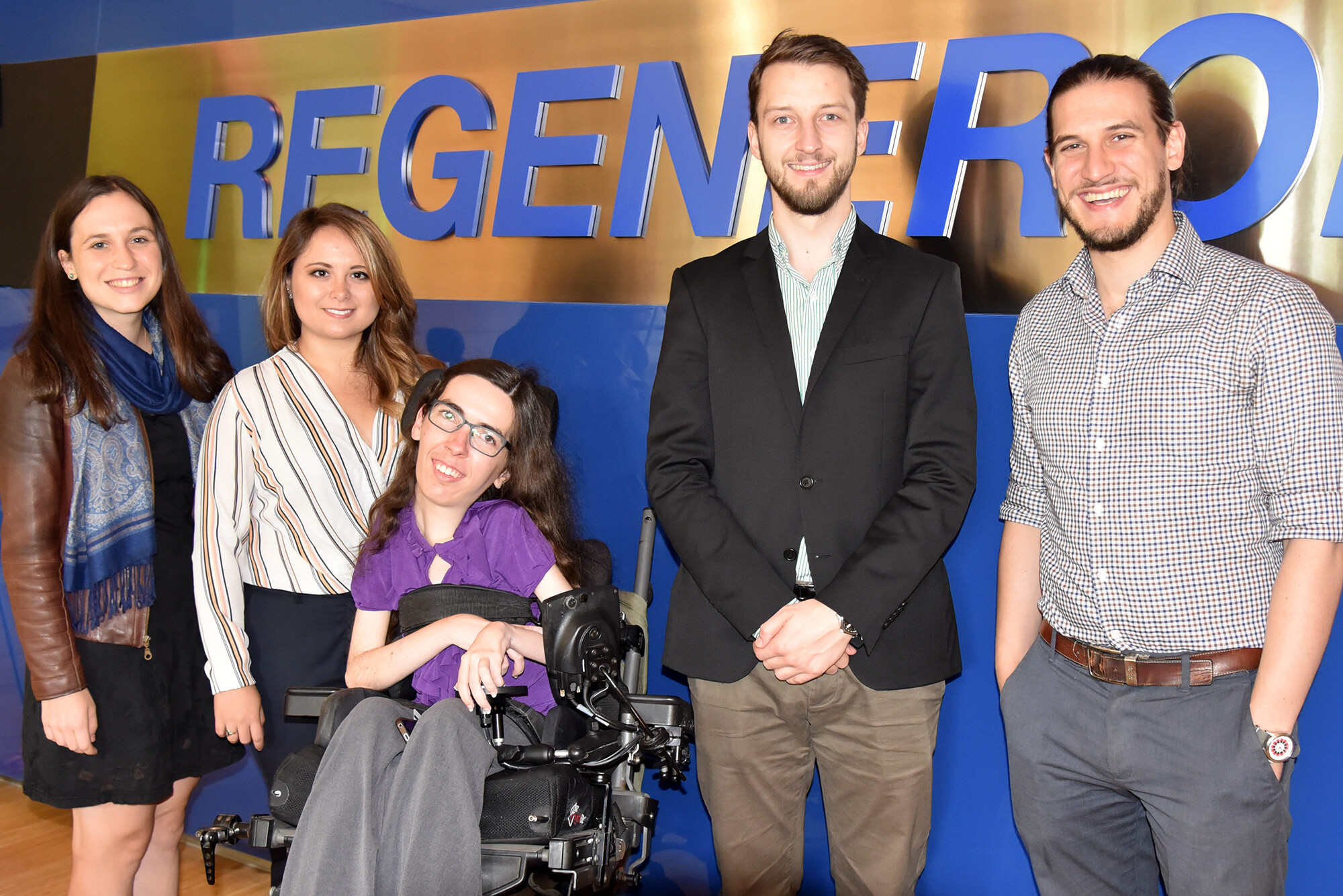
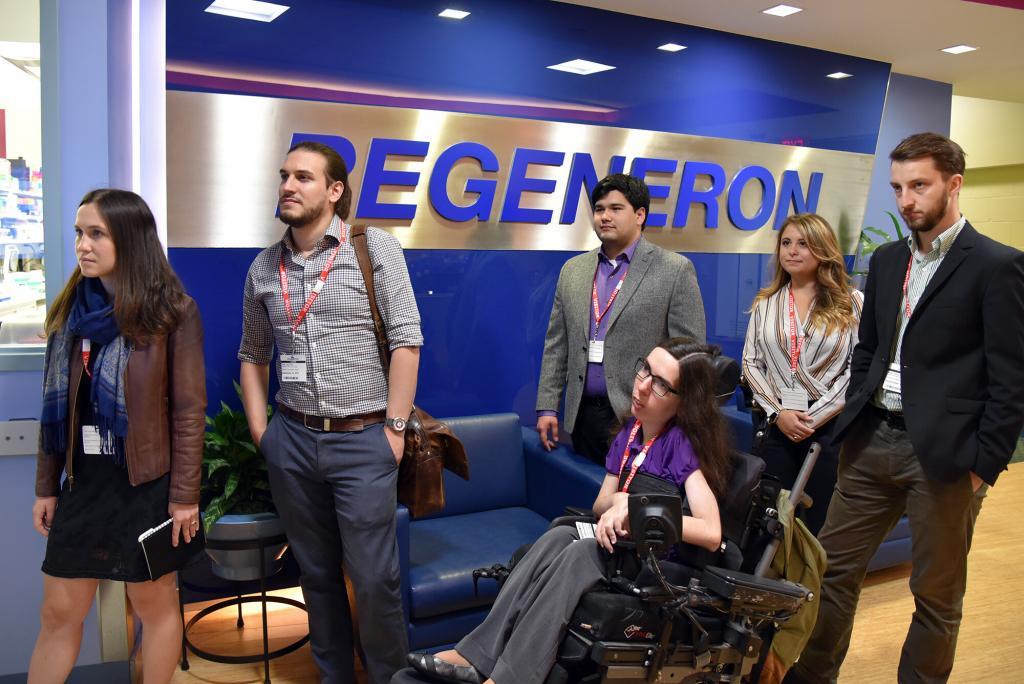
A visit to Regeneron provided the Scholars with an opportunity to visualize, experience, and discuss careers in industry. The Scholars were introduced to the post-doc program at Regeneron and learned about their exciting projects and collaborations. Each of the Scholars prepared short presentations, which provided the scientists at Regeneron insight into the exciting work being done at the NIH, Oxford, Cambridge, and the University of Manchester. After the presentations, the Scholars were invited to have lunch with scientists and were given the opportunity to meet one-on-one with scientists of their choice. “I had a one-on-one with Dr. Andrew Murphy who is the EVP of Research,” explained Scholar Samuel Katz. “I wanted to ask him about some projects he was on and get his feedback on some ideas I’ve been thinking about. It was a very interesting discussion, I completely forgot to eat!” Scholar Daniel Bronder also met with Regeneron scientists over lunch and stated, “I particularly enjoyed meeting Drs. Crawford and Gurer over lunch and gaining more insights on their respective science. It was really cool to read their papers and then sit down with them to have a conversation.”
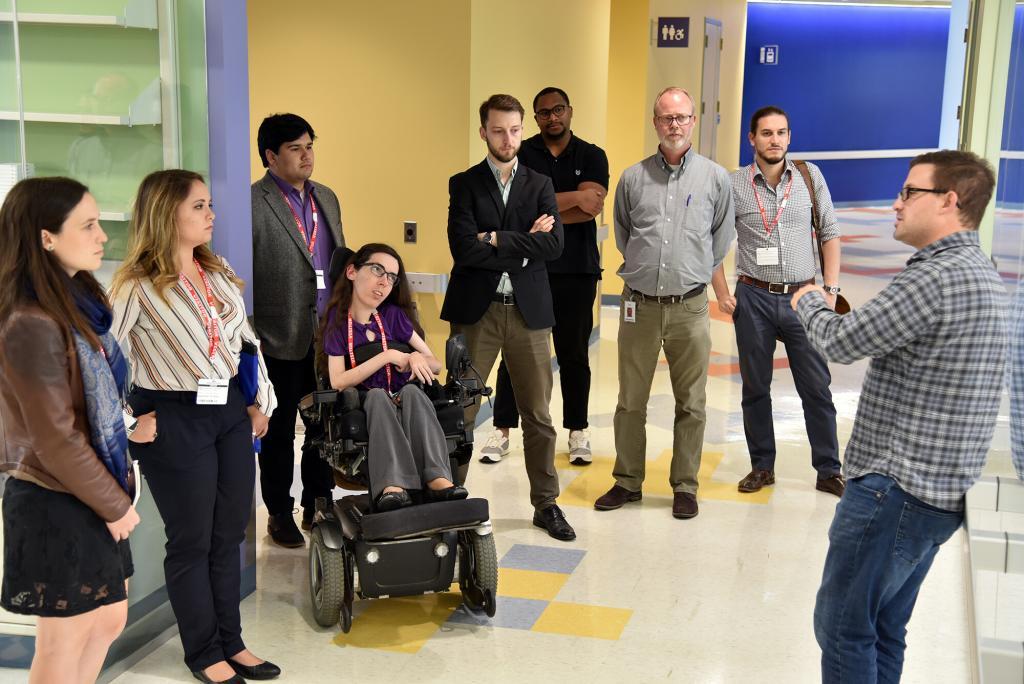
Following lunch, the Scholars toured Regeneron’s facilities and learned about the technology they use. Scholar Audrey Winkelsas learned that the Regeneron Genetics Center is generating four to five terabytes of data per day and sequencing approximately 10,000-15,000 exomes per week! They viewed robotized laboratories, challenging their thoughts about what science looks like when tasks such as pipetting and plating are automated. These automations create datasets which facilitate bioinformaticians’ pipelines. The Scholars listened in on a very diverse set of scientific talks, including one about a potential treatment for cardiovascular conditions and one on the response to the Ebola virus outbreak. “The trip to Regeneron was an insightful look into what science in industry really was like. It was refreshing to hear from the representatives how the driving force behind their innovation was not profit, but the science. This definitely broke down some of the preconceived notions I had about working in biotech, and everyone we met was very welcoming and seemed very happy to be working there,” stated Scholar Jessica van Loben Sels.
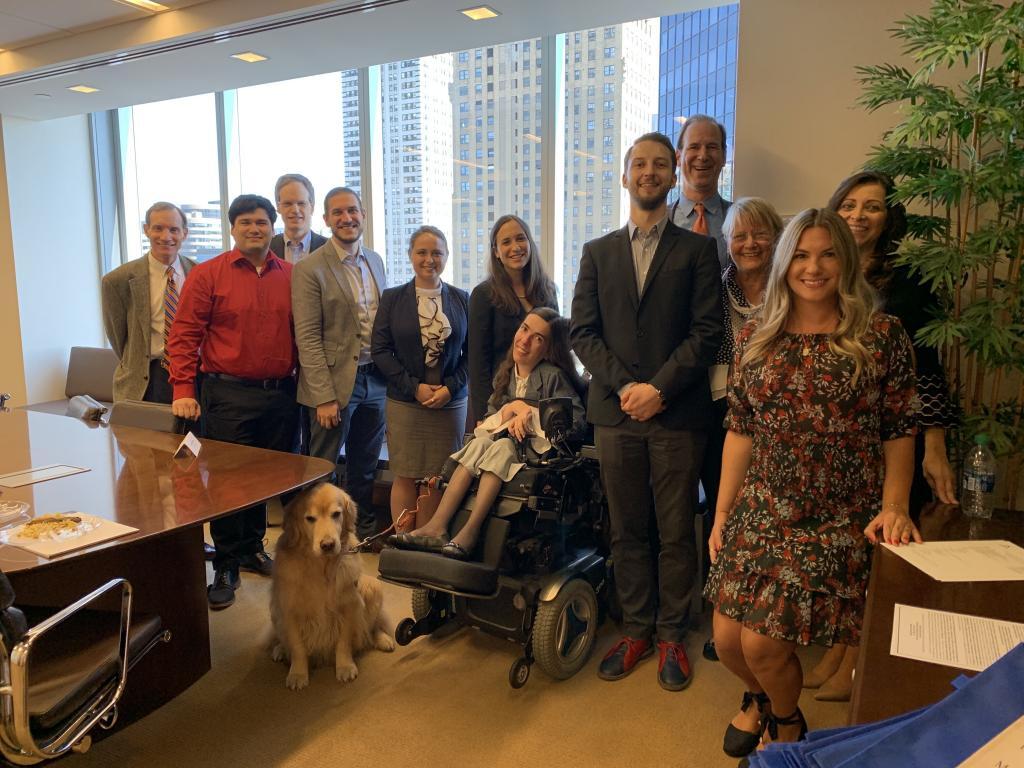
The following day, the Scholars visited Arsenal Capital Partners. The goal of this visit was to provide the Scholars with a bettering understanding of the role of business and specifically private equity investments in the healthcare sector. Scholars gained an understanding of how Arsenal invests in outsourced business service companies that focused on biopharmaceutical research, development and commercialization, and services to providers and payors with an aim towards improving efficiency and reducing costs. “The visit to Arsenal capital provided a unique introduction to the role of private equity in healthcare and biotech, which I had no previous exposure to. It was very interesting to hear the partners discuss the mission of Arsenal capital in improving healthcare and has created for me a newfound curiosity about private equity,” remarked Scholar Andrei Ramirez-Valdez.
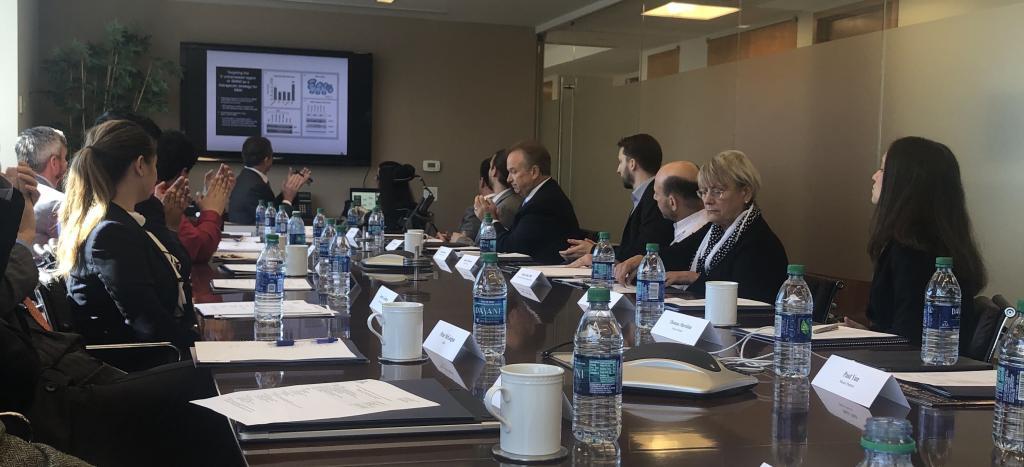
The Scholars presented their research to a group of pharmaceutical executives, healthcare investors, and Alliance Board Directors. Scholar Kathleen Bashant-Day stated that “this was an opportunity to pitch our research in a setting that we hadn’t before been exposed to. It was interesting to see how business-minded people approach science and gratifying that they were excited about what we are doing.”
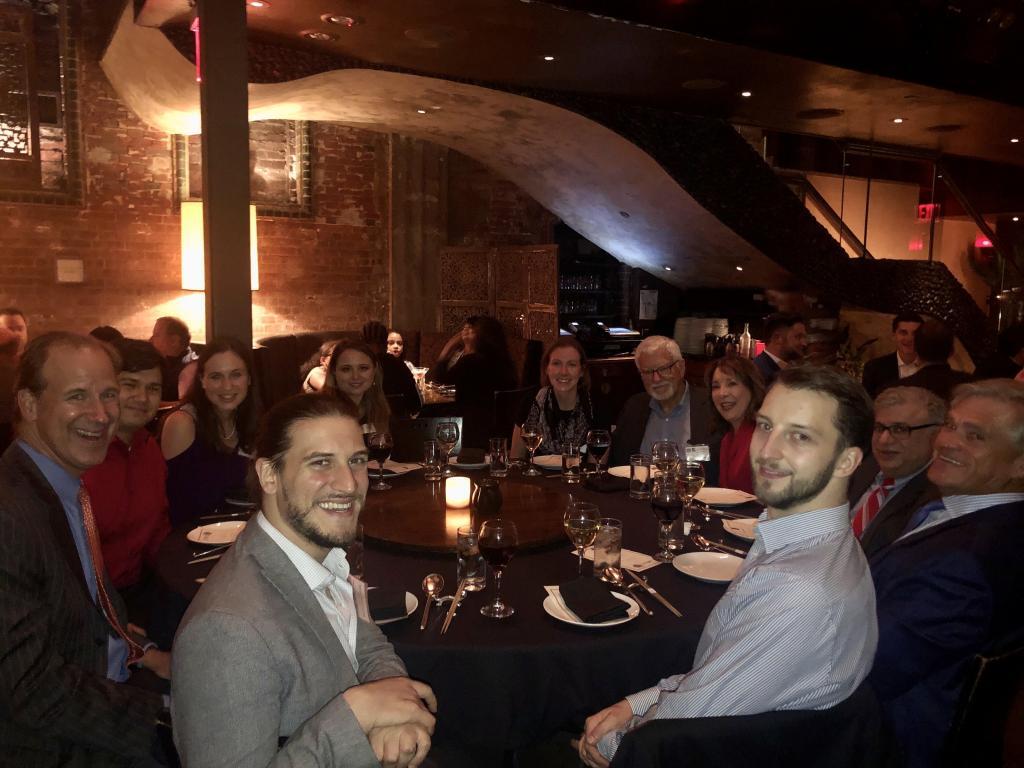
That evening, the Scholars were the guests of honor at a cocktail reception held in the home of Alliance board member Ann W. Jackson. Guests included individuals representing science, business, academia, private industry, philanthropy, the Lasker Foundation, and their 2019 essay contest winners, as well as New York City area alumni and NIH OxCam program faculty.
We gratefully thank Dr. George D. Yancopoulos and his colleagues at Regeneron, Arsenal Capital Partners, and with the supporters of the International Biomedical Research Alliance for their contributions to the experiences and events that provided an invaluable visit to New York for the Scholars.