Why does SARS-CoV-2 infection cause devastating illness in some while others have only mild symptoms? A study published in Science last year found that neutralizing autoantibodies against IFNa and/or IFNw are the cause of a significant proportion of life-threatening COVID-19 cases. The study found that 13.7% of patients with critical COVID-19 had autoantibodies against IFNa and/or IFNw, while these autoantibodies were only detected in 0.3% of healthy individuals (samples collected prior to the COVID-19 pandemic).
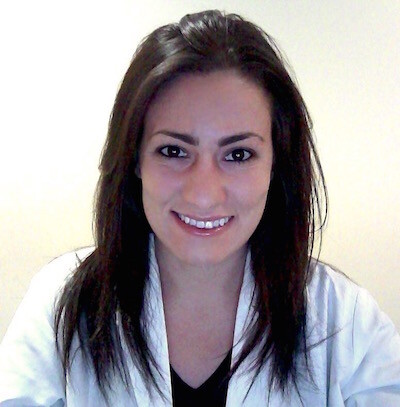
“When identified early in the course of disease, detection of these autoantibodies could lead to novel therapeutic interventions, such as IFNb administration” said Lindsey Rosen, co-first author of the study. “We are hoping to screen samples collected from clinical trials where IFNb was used to treat COVID-19, some of which found a potential benefit of early IFNb administration. I hypothesize that some of the patients with positive outcomes have these autoantibodies and that exogenous IFNb helped them clear the virus more rapidly.”
Lindsey was recently recognized for her contributions to cytokine research as the first-place awardee of the 2020 William E. Paul Award. She will present her work and be recognized for her award at the upcoming NIH/FDA Cytokine Interest Group Mini Symposium on June 10, 2021, 10:00 am – 12:00 pm ET, on webex. Lindsey is currently finishing her doctoral research on autoimmunity at the University of Oxford and the National Institutes of Health as an NIH OxCam Scholar. After completing her DPhil, she plans to perform her postdoctoral research on anti-cytokine autoantibodies at the National Institutes of Health under the mentorship of Dr. Steve Holland.
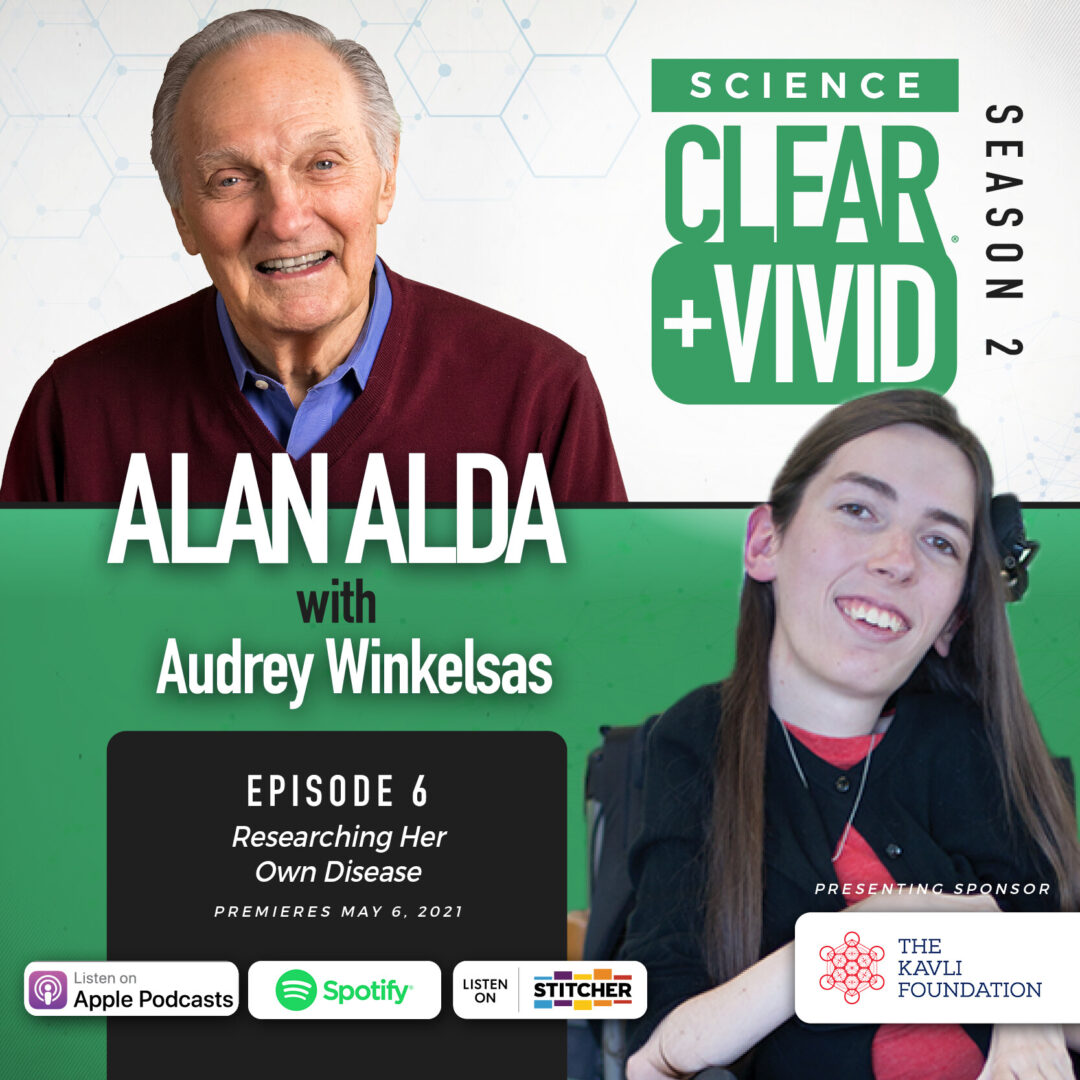
This week on Science Clear+Vivid host Alan Alda leads a conversation with another rising talent in science, Dr. Audrey Winkelsas. Dr. Winkelsas, an alumna of the NIH Oxford-Cambridge Scholars Program, recently completed her PhD work in the laboratories of Dr. Kenneth Fischbeck at the National Institute of Neurological Disorders and Stroke and Prof. Matthew Wood at the University of Oxford. During her PhD, Dr. Winkelsas investigated the molecular mechanisms in the pathogenesis of spinal muscular atrophy (SMA). She recently showed promising results for an RNA-targeting therapeutic developed to treat the debilitating genetic disease SMA.
Dr. Audrey Winkelsas has a rare genetic disease called Spinal Muscular Atrophy. While it limits her physical abilities, it has helped ignite her passion for science as she works at the laboratory bench – aided by her mother – to find a novel medication to help SMA patients manage the disease. Listen here.
“I am honored to have had the opportunity to talk with Mr. Alda! I hope that our conversation raises awareness about spinal muscular atrophy and the potential for RNA-based therapeutics to alter the course of many hereditary diseases. I also hope that our conversation communicates that people with disabilities, a group that is considerably underrepresented in science and medicine, have a place in these fields,” remarked Dr. Winkelsas.
Dr. Winkelsas will be attending the University of Michigan Medical School through Track 3 of the Medical Scientist Training Program this fall, furthering her goal of becoming a physician-scientist.
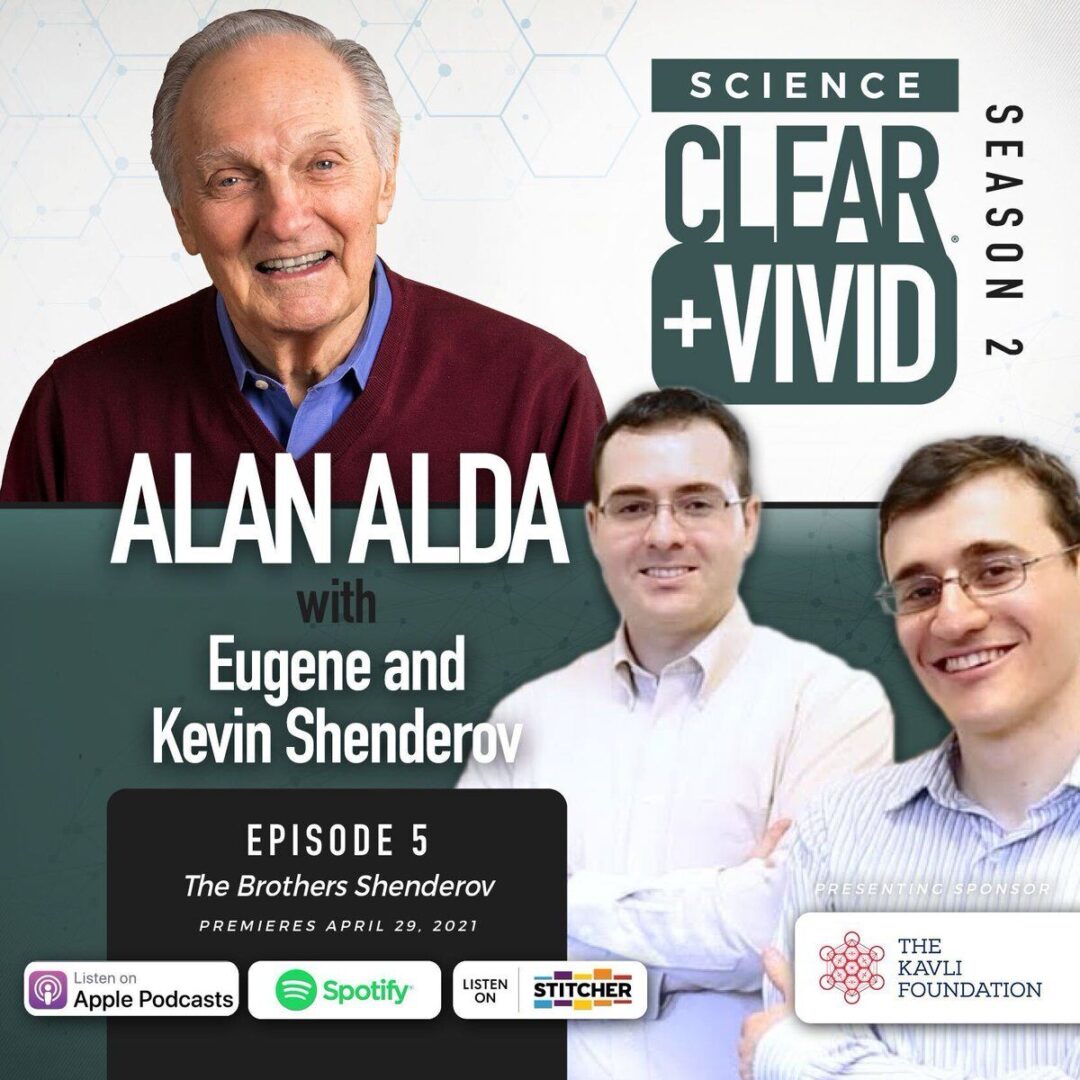
During this season’s podcast, Science Clear+Vivid host Alan Alda leads a conversation with 10 guests who each share their point of view and unique experience about basic science and their personal stories – what got them interested in or involved in science. Last week, Alan Alda spoke with physician-scientist brothers and NIH Oxford-Cambridge Scholars Program and Rhodes Scholars Alumni Dr. Eugene Shenderov and Dr. Kevin Shenderov. The “Brothers Shenderov” escaped with their parents from the Soviet Union shortly after being exposed to radiation from the Chernobyl disaster. They are now physician researchers whose personal experience shapes both their research and their relationship to their patients. Learn more and listen here.
You may recognize Emmy and Golden Globe Award winner Alan Alda from the hit series M*A*S*H and Scientific American Frontiers, but did you know he is a long-time science communication advocate? He is the founder of the Alan Alda Center for Communicating Science and is host of the hit podcast Science Clear+Vivid, supported by the Kavli Foundation.
Science Clear+Vivid features conversations with early career scientists on how curiosity is the engine of discovery and innovation and the power of basic scientific research – from the pure to the practical. What is curiosity-driven research? Why does it matter? How does it play a role in transforming our lives? Where does basic research take place, by whom and why is investing in basic research essential to society? Answering these deep-dive questions are among fuels the core mission of the International Biomedical Research Alliance and the graduate training program it enthusiastically supports – the NIH Oxford-Cambridge Scholars Program – so it is no wonder that three alumni of the program are included in Host Alan Alda’s interview line-up this season.
On the next episode of Science Clear+Vivid, released today, Thursday, April 29th, Alan Alda talks with two physician-scientist brothers, who are NIH Oxford-Cambridge Scholars Program Alumni and Rhodes Scholars – Dr. Eugene Shenderov and Dr. Kevin Shenderov. Brothers Eugene and Kevin Shenderov escaped with their parents from the Soviet Union shortly after being exposed to radiation from the Chernobyl explosion. They are now physician researchers whose personal experience shapes both their research and their relationship to their patients. Dr. Eugene Shenderov, Instructor of Oncology, and Dr. Kevin Shenderov, Instructor of Medicine, are both at Johns Hopkins Medicine.
Dr. Kevin Shenderov is currently a Chief Resident for the Johns Hopkins Hospital Internal Medicine residency program and will be returning to a Pulmonary/Critical Care Medicine fellowship in July. He aims to be a physician-scientist who helps develop novel therapies for critically ill patients with conditions such as sepsis and lung injury. “It was a pleasure to step away from the day to day of our current work in the hospital/lab to discuss the amazing advancements made possible by science (such as having a vaccine for COVID-19 within a year!) and the joy of the scientific process. I hope that budding scientists listening to the podcast will be encouraged to pick up their pipettes and start their own scientific journeys,” remarked Dr. Kevin Shenderov. In 2014, Johns Hopkins University highlighted The Brothers Shenderov: How a medical odyssey launched in the shadow of Chernobyl inspired the careers of two rising young stars in immunology.
On May 6, 2021, Alan Alda will talk with fellow NIH Oxford-Cambridge Aluma Dr. Audrey Winkelsas. Dr. Winkelsas graduated from Oxford University in 2020 and recently published a study focused on boosting levels of the protein missing in individuals with spinal muscular atrophy by interacting with specific RNA molecules. Learn more about her work here.
To stay up-to-date on Science Clear+Vivid, you can listen online, download it on Apple Podcasts or via your favorite streaming app.
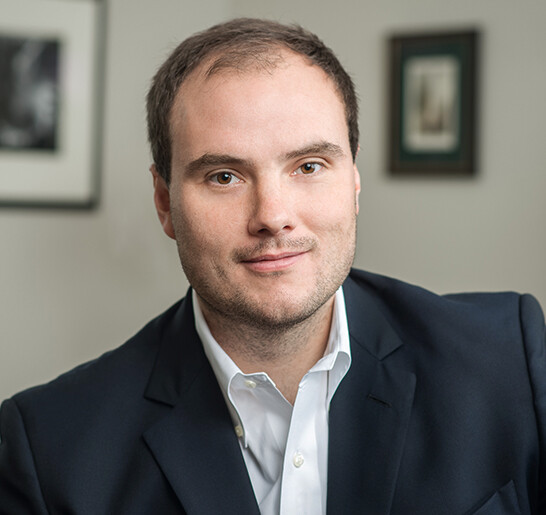
A modified oncolytic herpes virus (oHSV) G207, alone and in combination with radiation, has been shown to be well tolerated with early signs of clinical effectiveness in pediatric patients with high-grade brain tumors finds a new study published in the New England Journal of Medicine earlier this month. “This is the first study utilizing a viral immunotherapy delivered directly into brain tumors in children. This work paves the way for an expanded Phase 2 and a litany of additional Phase 1 trials targeting unique pediatric CNS tumors and/or locations within the brain” says study coauthor Dr. Joshua Bernstock. “These results are truly exciting and represent a leap forward in the treatment of malignant pediatric brain tumors”. Dr. Bernstock was also co-first author on a new PLOS Biology paper published on April 7, 2021. This data provided the first evidence that NSCs (Neural stem cells) deliver functional mitochondria to target cells via EVs, paving the way for the development of novel (a)cellular approaches aimed at restoring mitochondrial dysfunction not only in multiple sclerosis, but also in degenerative neurological diseases.
Dr. Bernstock conducted his doctoral research on neuroprotection induced by certain classes of post-translational modifications at the University of Cambridge and the National Institutes of Health as an NIH OxCam Scholar. After completing his PhD, he went on to finish medical school at the University of Alabama at Birmingham were he also performed postdoctoral work examining the role of oHSVs as therapeutics in pediatric brain tumors under the mentorship of Dr. Gregory Friedman.
Dr. Bernstock is currently a neurosurgery resident at Brigham and Women’s and Boston Children’s Hospitals in Boston and intends to focus on pediatric neurosurgical oncology. A new parent himself, Dr. Bernstock said “I remain dedicated to translational science/medicine and it is my driving desire to improve outcomes for children with brain tumors by developing and improving novel, targeted therapies.”
In recognition of the opening of the 2022-2023 Fulbright Award application cycle, this two-part interview highlights two Fulbright recipients currently in the NIH Oxford-Cambridge Scholars Program. The Scholars Program is an accelerated, individualized, international doctoral training program for outstanding students seeking their PhD or MD/PhD in biomedical research – many of whom have been Fulbright grant awardees. Much like the Fulbright Program, the NIH Oxford-Cambridge Scholars Program encourages intellectual freedom and collaboration leading to increased innovation and creative problem-solving.
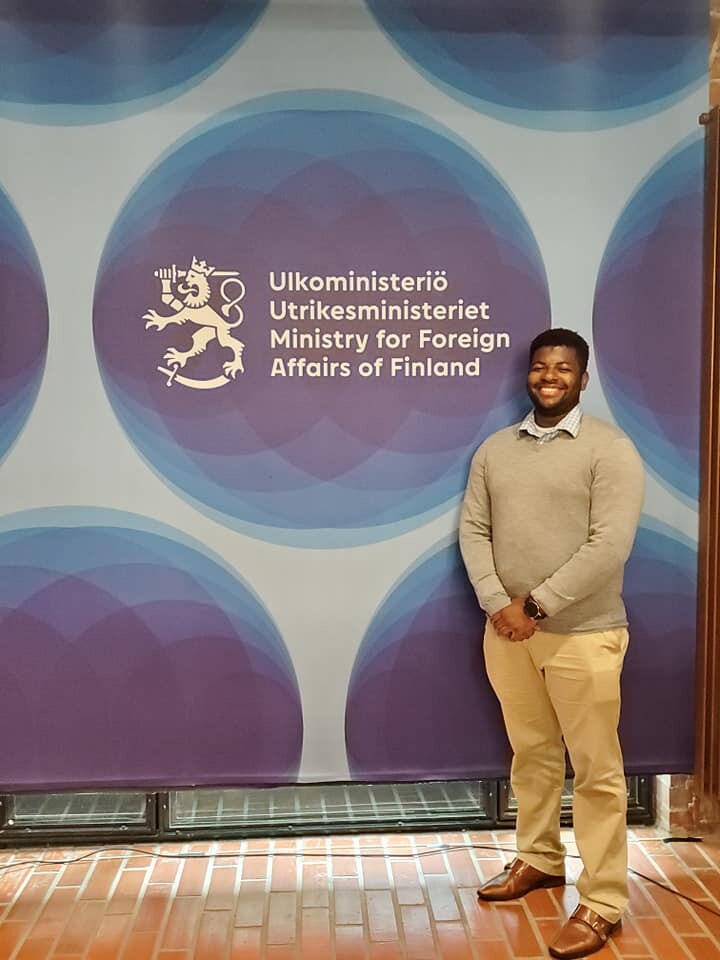
The International Biomedical Research Alliance, a 501(c)(3) non-profit organization whose sole mission is to invest in and accelerate the development of the future leaders in biomedical research through the NIH Oxford-Cambridge (OxCam) Scholars Program, asked two current OxCammers, who recently completed their Fulbright year, to talk about their experience. Our second and final interview here is with Jude Tunyi, an NIH-Oxford MD/DPhil Class of 2021 Scholar, is at the National Institute of Mental Health working with Dr. Bruno Averbeck and at Oxford’s Wellcome Center for Integrative Neuroimaging working with Dr. Nils Kolling. Jude will be studying dopaminergic neuronal reinforcement learning pathways involved in non-human primate populations as they undergo different behaviors including foraging and scavenging. This interview explores Jude’s Fulbright experience and inspiration to pursue his MD/DPhil.
How did you learn about the Fulbright Fellowship? What motivated you to apply?
Jude Tunyi (JT): I was very familiar with the Fulbright Program by the time I applied because part of the reason why I was able to immigrate to the US was dependent on the Fulbright Program. My mother received a Fulbright to come to the United States and study at the University of Washington in Seattle. I was already appreciative of the Fulbright program for giving my family an opportunity to pursue the American dream. After my NIH post-baccalaureate experience, I decided I wanted more experience in my future field of biotechnology so I sought out a Fulbright.
How did you choose your study/field and country? What did your project entail?
JT: During my time doing research at the NIH, one of my mentors told me about how he had spent some time in his post-doc at the University of Tampere in Finland. He highlighted the amazing opportunities to grow as a researcher and learn innovative techniques in the field of biotechnology. He also spoke very highly of the people of Finland and the Finnish culture as a whole. I decided to look at the University of Tampere and got more interested in studying in Tampere, Finland. It is about an hour and a half north of Helsinki, the capital. It was one of the larger cities in Finland due to the university being there and definitely had opportunities for exploring the beautiful Finnish natural landscape and getting immersed in the Finnish culture. A huge part of the Finnish culture is the sauna culture. One of the first experiences I had during my orientation to Finland was going to the sauna with my fellow Fulbright scholars. It offers the opportunity to get to know others in a more relaxed, friendly environment. After the sauna, part of the tradition is to go swim in the freezing Finnish lake by the sauna even in the middle of winter. Needless to say, my first time I was not too excited for this icy plunge but I decided to partake and am definitely glad I took part.
It just turned out that this year, 2019, was the first year that the Finland Fulbright Foundation had a partnership with the University of Tampere which would allow two US students to study there at a master’s level. It seemed like the stars aligned when I found out that fact. I decided to apply to study in the field of biotechnology with a specialization in bioinformatics. This would entail taking courses in the fields of machine learning, artificial intelligence, computer vision and processing, etc. I was also getting set to undertake a bioinformatics project studying and classifying different biomarkers in cancer. Unfortunately, this project got cut short due to COVID-19.
The Finnish culture, to the outsider, might seem cold and unwelcoming as people tend to be more reserved, quiet, and keep to themselves. But once you get to know them, they are very friendly and become friends for life. I joined a debate club and can confirm that Finns can be very loud and emphatic when they desire. I witness this not only at our debate competitions around Finland but also at our group trivia nights, our hikes through the beautiful nature, our winter holiday parties, and of course our sauna celebrations.
Did your Fulbright prepare you to undertake your PhD and/or MD/PhD in the NIH Oxford-Cambridge Scholars Program? Did your Fulbright project correlate with your future thesis work?
JT: My Fulbright was directly related to my future DPhil project. I actually spoke to my future DPhil advisor and asked him for recommendations for courses to take during my Fulbright year that would strengthen my graduate career. I took courses that I believe would advance my OxCam DPhil, especially in the fields of machine learning and artificial intelligence. I plan on bringing back some of the skills and techniques that I learned back and apply them to my graduate projects. Of course, there are some courses in my biomedical technology studies that aren’t going to be perfectly related to my future thesis work, but even these courses still helped me grow as a scientist and researcher.
How did the culture of your Fulbright country impact your research?
JT: The culture of Finland definitely impacted my work because I had to learn to respect the separation that people had between their home and work lives. People would leave work at 5pm and would be unreachable until the following day. Weekends were protected time meant for doing things one enjoyed, and during the summer months of July and August most people took the months off for vacation. I learned to be efficient during my work hours but also enjoy my time outside of work.
What is your overall career goal?
JT: I intend to obtain my MD and DPhil as part of the Ohio State College of Medicine medical school and NIH-OxCam Program. After, I hope to attend a research residency continuing research in neuroscience. I hope to be able to do research and see patients one day either as part of a government, academic medical center, or perhaps even a biotech company.
Did you learn anything about yourself during the Fulbright that changed the way you think today?
JT: From my experience during my Fulbright, I have grown in my ability to communicate with people from very different backgrounds than my own. I have learned how to find common ground and start building a foundation from there. My course was half-Finnish and half-international. We had students from all over Finland, from different parts of Europe, South America, Asia, and Africa all in class with one another. We had to learn to get along with each other and respect each other in our agreements but especially in our disagreements.
I joined the debate club of my school and we were often put in difficult situations where we would have to disagree with each other and defend our positions in a respectful manner. I didn’t always win my debates, but I always took a lesson away from each debate. I learned to communicate my point in a clearer and more effective manner. This is going to be an invaluable skill going forward as science sometimes tends to be very insular. People in the same field tend to only interact with those doing similar work as them. General conferences are being usurped by more specialized and particular gatherings where everyone is speaking the same language and oftentimes looks the same. It is challenging enough for an entrant into the field to get accepted into this group let alone someone from the general public to get information into the latest happenings in specific fields.
As someone who is underrepresented in science and medicine, I aim to make an impact in my field but also feel a responsibility to reach back and support other underrepresented youth who follow me to be able to succeed in STEM (science, technology, engineering and mathematics) and medicine. I believe (as I witnessed firsthand in my Fulbright) that through inclusion of a diverse group of people and with improved communication including translating complex science jargon to the general public, we can face any challenge that is presented unto us.
What was your biggest take away?
JT: The Fulbright offers direct benefits to my future research in my DPhil as the courses I took in machine learning and artificial intelligence will be used to advance my research. Other than the direct benefits, my biggest take away from my Fulbright year is the importance of cross-cultural partnerships and relationships. Without the agreements and cooperation between the US Fulbright and Finland Fulbright Foundation for over 75 years, there would be no opportunity for me to partake in such a wonderful experience. I will take this experience in the NIH OxCam program as a successful partnership between all institutions is paramount to a successful DPhil project. This will also impact my future as a physician scientist as I look for collaborators. I will seek to form cross-cultural partnerships as these often lead to the best scientific and medical breakthroughs.
About the NIH Oxford-Cambridge Scholars Program
Created in 2001, the NIH Oxford-Cambridge Scholars Program is a collaboration between the NIH and the universities of Oxford and Cambridge to revolutionize the way in which the most talented biomedical PhD and MD/PhD students are trained. Participants in the program receive accelerated training and work on their own collaborative research project to address critical biomedical research problems. Trainees graduate in an average of 4.2 years with a PhD degree. To learn more visit www.oxcam.gpp.nih.go.
About the International Biomedical Research Alliance
Founded in 2005, the Alliance’s mission is to support the NIH Oxford-Cambridge Scholars Program and associated global PhD and MD/PhD training programs based in the Intramural Research Program of the NIH, America’s largest biomedical research organization. Our goal is to assure the financial viability and scientific excellence of the Scholars Program by supplementing government funding. The Alliance supports the annual research workshop, awards, and career developed initiatives designed to enrich the Scholars Program and broaden the perspectives of its students as they train to become the next leaders in biomedical research. For more information, please visit www.ibra.org.
About the Fulbright Program
The Fulbright Program is the largest national exchange program sponsored by the U.S. government offering opportunities for students and young professionals to undertake international graduate study and advanced research. The primary source of funding for the Fulbright Program is an annual appropriation by the U.S. Congress to the U.S. Department of State’s Bureau of Educational and Cultural Affairs. From its inception, the Fulbright Program has fostered bilateral relationships in which citizens and governments of other countries work with the U.S. to set joint priorities and shape the program to meet shared needs. The fundamental principle of this international partnership – sharing knowledge around the world and collaborating on projects that improve the world – remains at the core of the Fulbright mission. The Program awards approximately 8,000 grants annually in all fields of study and operates in more than 160 countries. To date, more than 390,000 Fulbrighters encompass the Program’s diverse and dynamic network, including 86 Pulitzer Prize winners, 75 MacArthur Fellows, and 60 Nobel Prize winners.